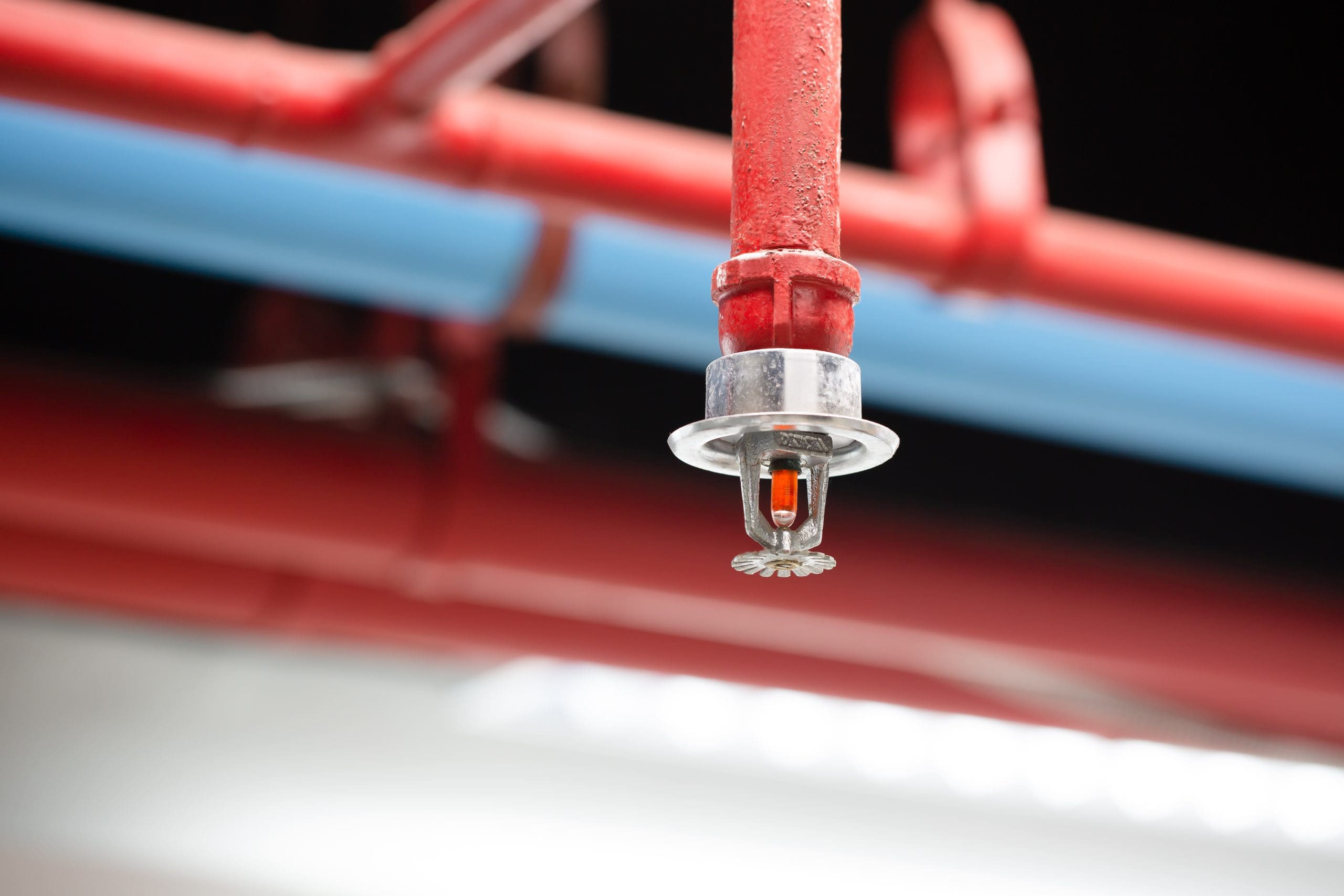
A fire emergency is a bad time to discover that your system isn’t working properly. Instead, you can have peace of mind (and compliance) with regular fire sprinkler inspections by Commonwealth Fire Protection.
Fire sprinkler protection equipment inspections are a crucial part of a comprehensive fire protection plan, per NFPA. It is imperative that all equipment and alarms operate 24/7 to ensure proper operation during an emergency.
NICETcertified, NEWWA certified and licensed to complete inspection services in Pennsylvania, New Jersey, Delaware, and Maryland.
Required inspections and tests, based on system components and functions, are defined as follows:
Quarterly inspections focus on supervisory devices, gauges, and certain mechanical tests as required by NFPA.
Annual inspections are an NFPA requirement and include a visual inspection of the exposed sprinkler system from the floor and thorough testing of all mechanical devices.
Five-year testing is an additional NFPA testing requirement for certain types of sprinkler systems. The five-year inspection is an internal inspection of a portion of the sprinkler system piping and specific sprinkler valves.
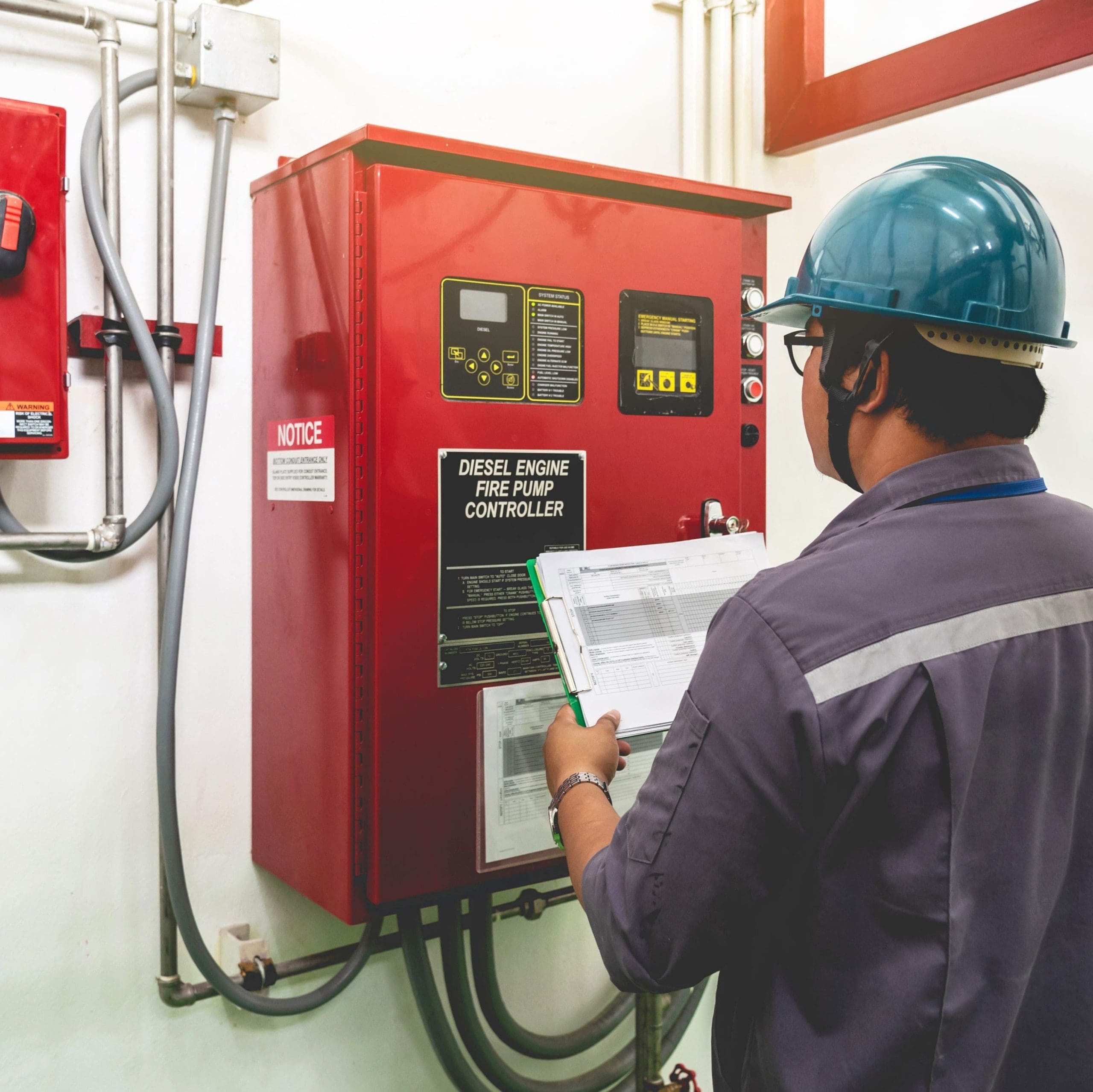
You may have heard that system/equipment inspections are required only once a year. By contrast, NFPA-25 is a comprehensive standard that requires inspection and testing to be performed incrementally throughout the life of your fire sprinkler protection system.
Although reporting intervals vary among governing authorities, the fire sprinkler system owner is responsible for the full scope of NFPA 25.
Our fire sprinkler experts are ready to help you stay safe and compliant. Call us to establish your inspection schedule.
If you have one of these types of commercial fire sprinkler systems, we can test and inspect it:
We can also perform UL testing of all sprinkler head types.
Note that we DO NOT inspect or service Ansul (kitchen) Fire Suppression systems used in restaurant environments.
We are happy to visit your facility for regular inspections, but we also think you should know that our services don’t end there.
We also provide these fire sprinkler services:
All of our services are performed with safety and quality as priorities. How can we help you?
“I have been using Commonwealth Fire Protection for several years now. They are always prompt in both responsiveness and service. Commonwealth works well with client schedules and special requests, and never forwards unwarranted change orders. I wish that all contractors were as easy to work with as CFP.”
Jimmy Lindsey, Consolidated Medical Services, Inc.
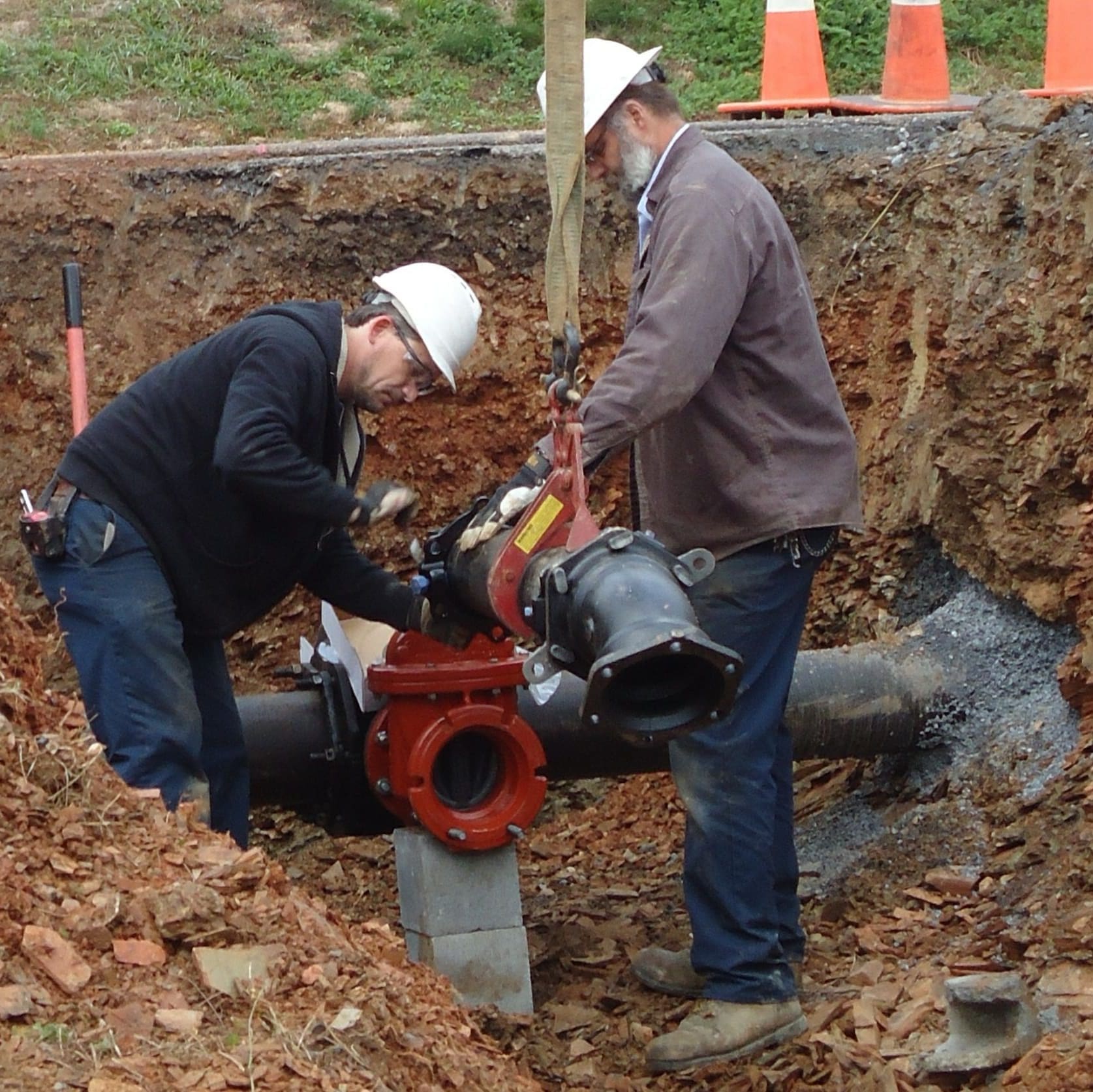
At Commonwealth Fire Protection, we not only design and build fire protection sprinkler systems and service them, but we also perform inspections on thousands of commercial, industrial, and institutional fire sprinkler systems in PA, NJ, MD, and DE.
Our customers have come to trust us, and many have been with us since the beginning, or as long as four decades.
Our Inspection Team includes an independent Management Team, Administrative Staff, and Inspection Technicians that allow us to tailor our services to your specific needs.
Give us a call today to see how we can make the entire inspection process easy for you.
Skipping inspections can lead to code violations, fines, failed fire marshal inspections, and potential insurance issues. More importantly, an undetected issue could prevent your system from operating properly during an emergency, putting lives and property at risk.
Inspection frequency depends on your specific system type, components, and local authority requirements. A professional inspection provider can review your system and establish a compliant schedule that aligns with NFPA 25 and local enforcement standards.
Our inspections are designed to minimize disruption. Technicians will coordinate with your team to schedule testing and access in a way that keeps your operations running smoothly while ensuring compliance.
Common findings include closed or partially closed control valves, corroded pipes, damaged sprinkler heads, blocked access to system components, gauge inaccuracies, and supervisory device malfunctions.
Many insurers require proof of regular inspections and testing. Failure to provide documentation after a loss could complicate claims. Maintaining proper records protects both compliance and coverage.
NFPA 25 requires all three throughout the life of your system.